
I used to sleep. Now I’m awake at 3am.
Why does my body feel so different?
Why do I feel anxious all the time?
When did I stop prioritising myself?
If any of these thoughts sound familiar,
you’re in the right place.
You’ve spent years holding everything together — career, family, responsibilities — but lately your body feels harder to read and less predictable. If something feels off, it may not just be “getting older,” and there are ways to understand what’s changing.
It doesn’t have to feel like this — and this site exists to show you why.
Six areas. Real science.
Changes you can actually make.
You don’t need to rely on guesswork. Learn the science behind menopause and discover practical, evidence-based strategies to help you feel stronger, healthier, and more in control — building an approach that works for you and lasts.
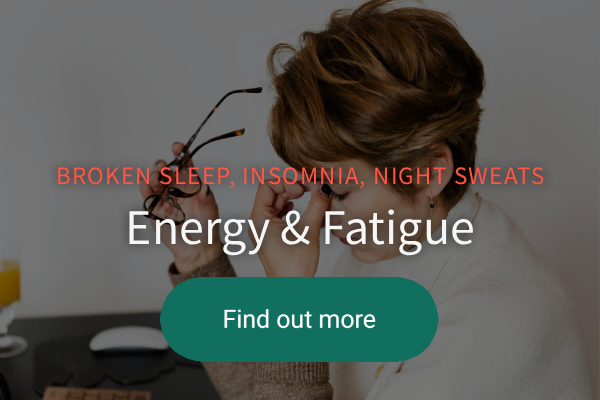
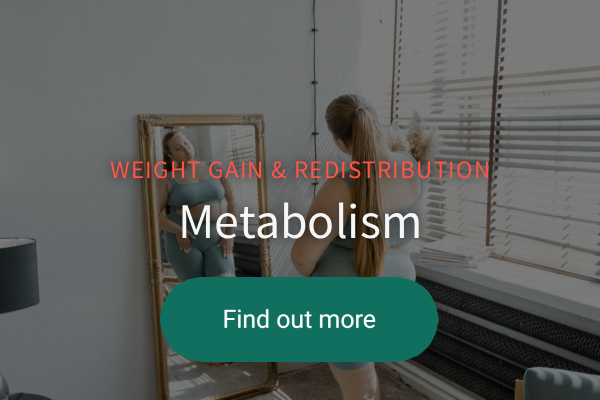


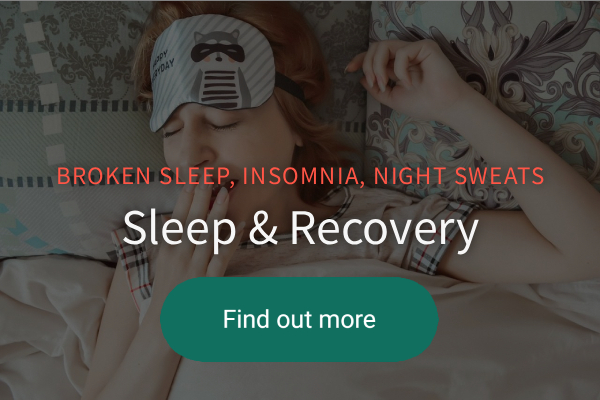

Who This Is For
The honest science of midlife hormonal change
Two hormones — oestrogen and progesterone — have been regulating far more than your menstrual cycle for decades. They have shaped your mood, your sleep, your metabolism, your bone density, and your cardiovascular health. During perimenopause and menopause, their levels fluctuate wildly and then decline — and your body notices every change.
This is not your imagination. This is not a lack of resilience. This is physiology — and understanding it is the first step to working with it.

Making sense of hormonal change
Understand the key hormones behind perimenopause and menopause — why symptoms happen, what changes over time, and how to make sense of what you’re feeling.
Your regulating hormone
Oestrogen
Oestrogen helps support many systems that influence how you feel each day.
When it fluctuates, you may feel:
Hot flashes, night sweats, poor sleep, low mood, brain fog, weight changes, joint pain, and reduced energy.
Your calming hormone
Progesterone
Progesterone helps create balance & calm throughout times of hormonal change.
When it fluctuates, you may feel:
Sudden anxiety, inability to wind down, disrupted sleep, irritability, heavier periods, and feeling “on edge.”
The transition
Perimenopause vs Menopause
Hormonal changes can affect routines, symptoms, energy, and daily wellbeing.
Important to know:
Symptoms of perimenopause can feel unpredictable, hard to explain, and often misunderstood or missed.
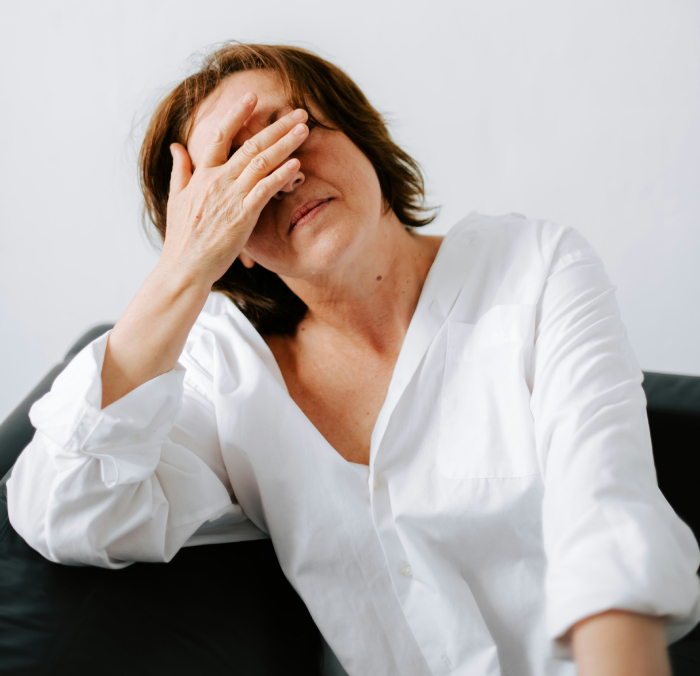
Some text here
Why perimenopause is often harder than menopause itself
During perimenopause, oestrogen and progesterone don’t decline steadily — they surge and plunge, sometimes dramatically within the same week. This erratic pattern is what drives the intensity of symptoms.
Many women are surprised to find that once they reach full menopause and hormones stabilise (at lower levels), they actually feel more consistent, not worse. Understanding this timeline changes how you approach everything that follows.
My heading is awesome
Beyond symptoms.
Understand what helps & why.
You don’t need to rely on guesswork. Learn the science behind menopause and discover practical, evidence-based strategies to help you feel stronger, healthier, and more in control — building an approach that works for you and lasts.

Understand the Science
Learn what hormonal changes mean and how they affect your body.

Nutrition & Lifestyle
Evidence-based nutrition and habits that support health and wellbeing.

Movement & Strength
Build strength, protect bone health, and maintain physical function.

Practical Action
Simple strategies and tools to create lasting, sustainable change.
1.1B
women worldwide will be in menopause or perimenopause by 20251
45%
of women aged 35–54 first hear about perimenopause on social media — not from a doctor2
22%
of women report finding it actively difficult to access reliable information2
$22B
lost annually in the US economy from perimenopause-related productivity impacts3
1 WHO Global Health Estimates, 2021 · 2 Carrot Health Menopause Report, 2025 (source) · 3 Flo Health / ACOG Economic Analysis, 2025
Sarah age 46
„I spent two years feeling like I was quietly unravelling — exhausted, anxious, not sleeping, putting on weight despite not changing anything. My doctor ran blood tests, said everything was normal, and told me to watch my diet. It was only when I started understanding what was actually happening hormonally that things began to make sense — and I started being able to do something about it.“
Free resource
Get the Perimenopause Starter Guide
Five science-backed changes to make this week — including how blood sugar fluctuations are driving your afternoon energy crashes, and the exact meal structure that stabilises them.